
what a small image library can do for your business.
MANY SMALL BUSINESS OWNERS ASSUME PROFESSIONAL PHOTOGRAPHY IS MAINLY FOR SOCIAL MEDIA. A FEW NICE POSTS, PERHAPS A REFRESHED PROFILE PHOTO AND THEN THE IMAGES DISAPPEAR INTO THE ARCHIVE. IN PRACTICE, A WELL-PLANNED IMAGE LIBRARY DOES SOMETHING MUCH MORE USEFUL THAN THAT.
photographs become working assets for your business — tools you can return to across your website, tourism listings, printed material and media opportunities. instead of scrambling for something to post each week, you already have a collection of images that show your place clearly and consistently.
this is particularly important for regional businesses.
whether you run an agritourism property, a working farm, a small rural shop or a creative studio, most visitors first encounter your business online. your website, tourism listings and press features often shape that first impression long before someone arrives in person.
a thoughtful image library helps those platforms work harder.
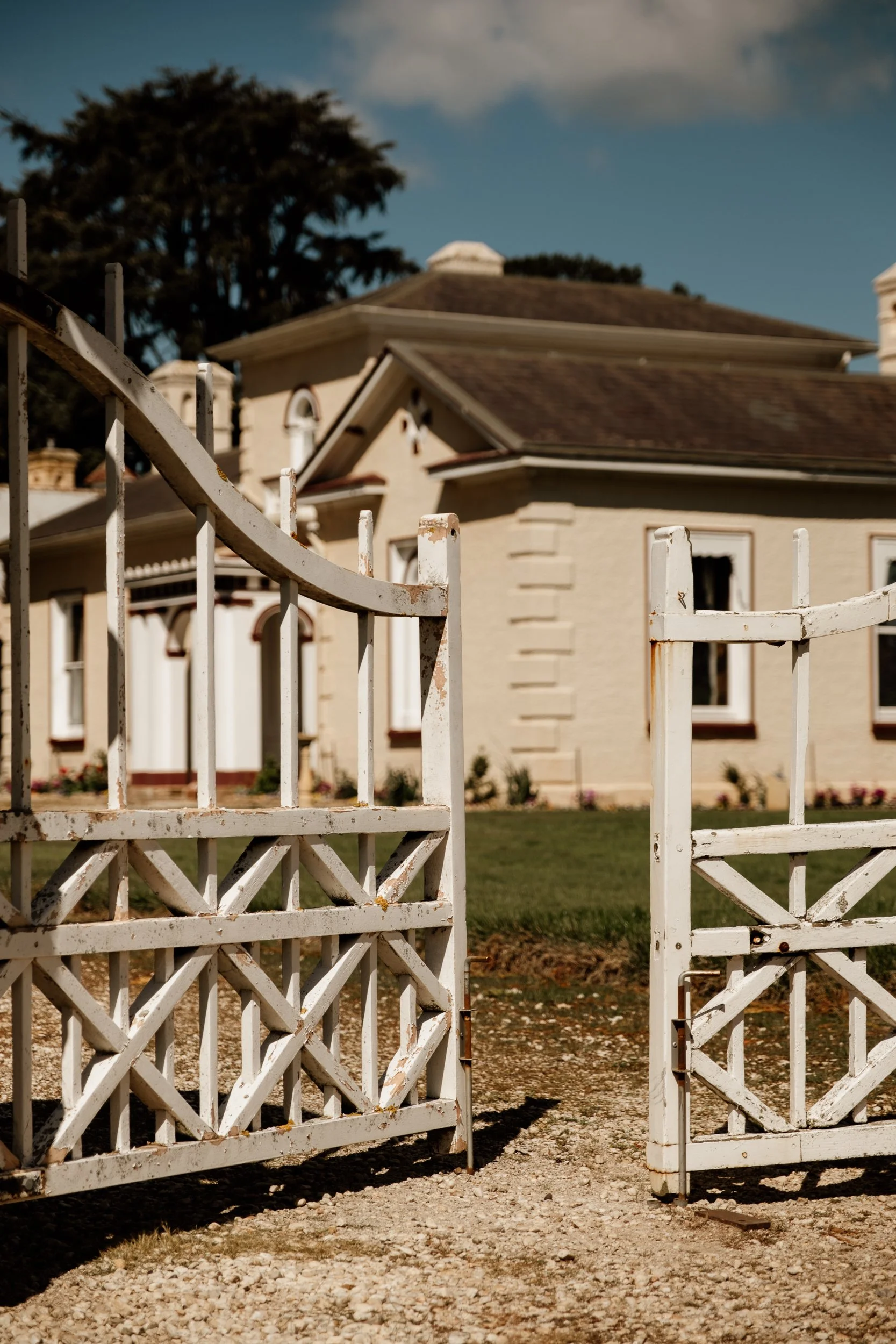
on your website, images guide visitors through the experience of your place. they show how the landscape sits around the buildings, how people move through the space and what the rhythm of a visit might feel like.
on tourism directories and accommodation listings, strong images allow potential visitors to understand your offering quickly. they answer practical questions about the property and help people decide whether the experience aligns with what they are looking for.
photographs are equally useful for printed material. farm gate signs, market flyers, brochures or simple postcards all benefit from images that feel authentic to the place they represent. these pieces often stay in circulation far longer than a social media post.
images also become valuable when media opportunities appear. journalists, tourism organisations and regional publications frequently request photographs when featuring a business. having a small, organised library ready means you can respond quickly and present your work clearly.
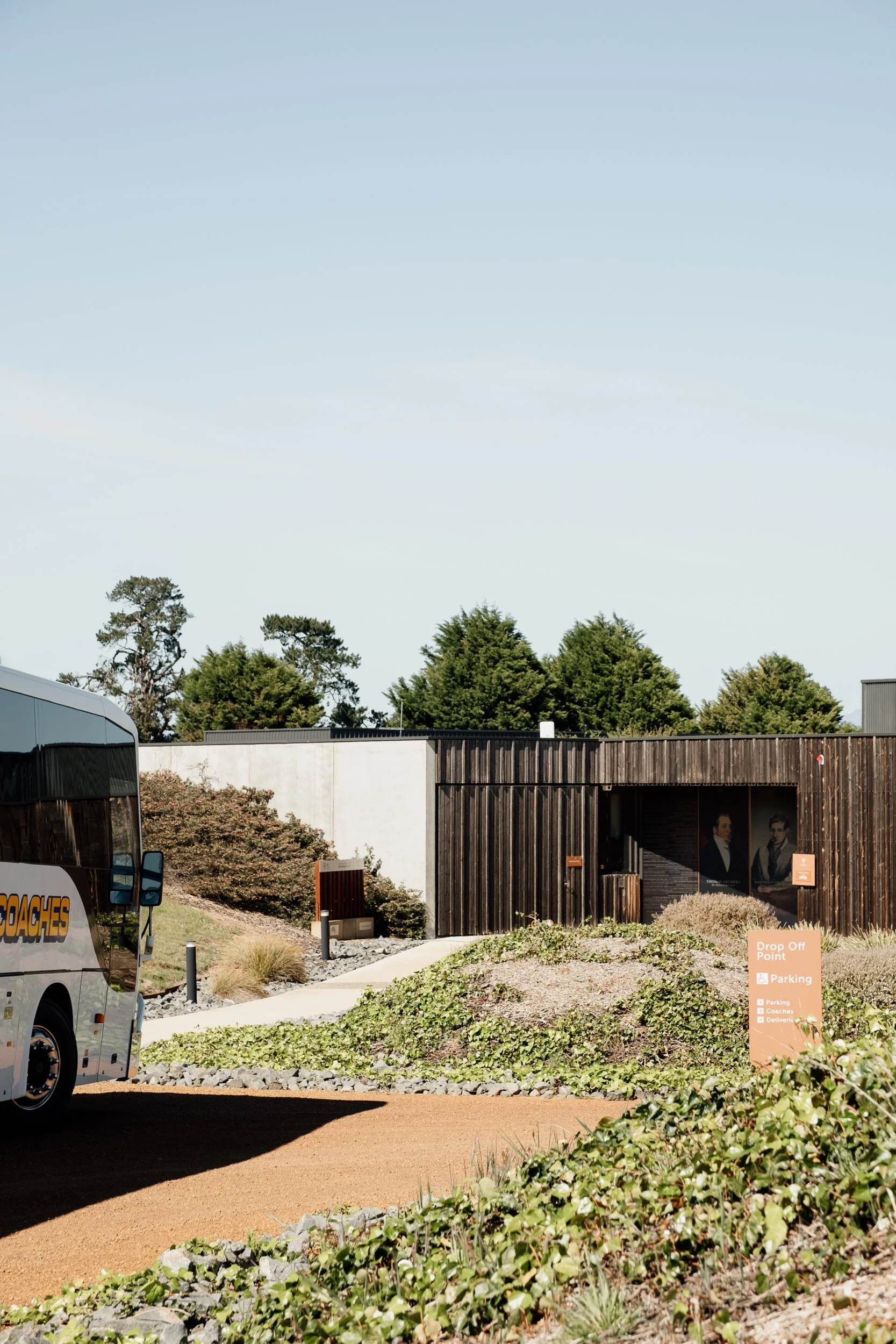
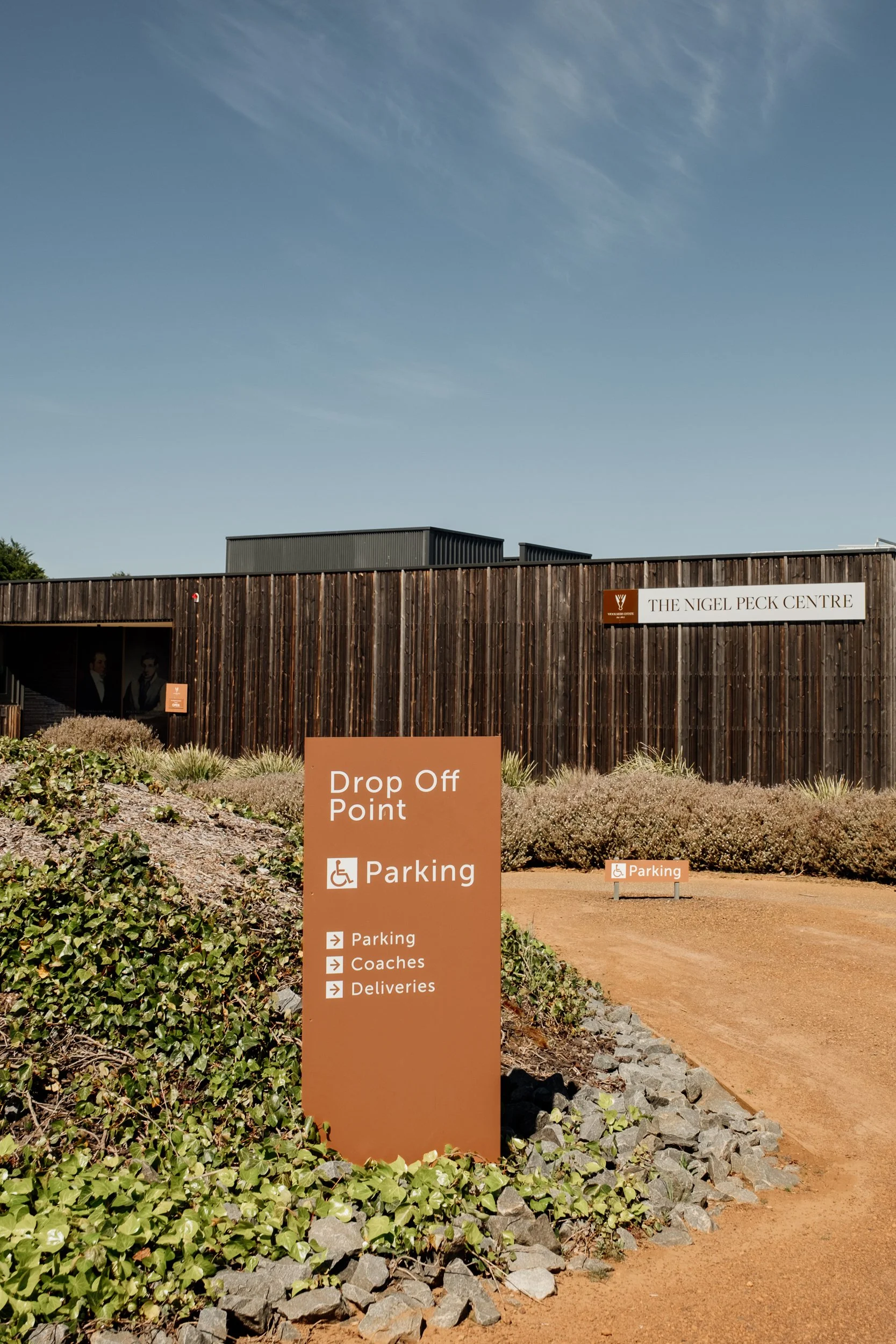
accessibility is another important reason to think beyond simple accommodation photos. clear images of paths, entrances, seating areas and bathrooms can help visitors understand whether a property will work for them. this matters for people who travel with mobility needs, families with prams, or anyone who simply prefers to understand a place before arriving.
in this way, photography becomes less about creating “content” and more about documenting the reality of your business.
most businesses do not need hundreds of images to achieve this. a focused collection of photographs, created with intention, can support your communication for months or even years.
many clients begin with a story session to build that core library. this provides a broad visual record of the property and the work that happens there. over time, smaller rhythm sessions can refresh the collection seasonally — capturing changes in light, produce, weather and activity across the year.
together, these images create a visual archive that grows alongside your business.
if you are curious about how photography fits into the wider marketing process, you may find field notes | start with the photo helpful.
and if you run a regional business in central tasmania and are thinking about building a small, practical image library, let’s organise a complimentary in-person visit and talk about your property, your season and what your images need to support.
photography + words by samone bayles for rewild studio.