
how strong images help the right people find you.
ONE OF THE THINGS I HEAR MOST OFTEN FROM RURAL BUSINESS OWNERS IS THAT THEY ARE NOT NECESSARILY LOOKING FOR MORE VISITORS. WHAT THEY WANT ARE THE RIGHT VISITORS. PEOPLE WHO UNDERSTAND THE KIND OF PLACE THEY ARE ARRIVING AT. PEOPLE WHO APPRECIATE THE RHYTHM OF FARM LIFE, THE QUIET PACE OF REGIONAL TOWNS AND THE WORK THAT SITS BEHIND THE EXPERIENCE.
photography plays a surprisingly important role in that alignment.
when images show a place honestly, they help visitors recognise whether the experience will suit them. the landscape, the buildings, the working parts of a property and the smaller details of daily life all communicate something about how a place feels.
those visual signals matter.
a property photographed with bright, heavily styled imagery might attract people expecting a luxury resort experience. a place documented more naturally — showing the land, the sheds, the garden, the pace of work — tends to attract visitors who value those things.
neither approach is right or wrong. they simply invite different expectations.
for agritourism businesses and rural enterprises, clarity is usually more helpful than polish. visitors want to understand what kind of experience they are choosing.
a thoughtful image library allows them to do that before they arrive.
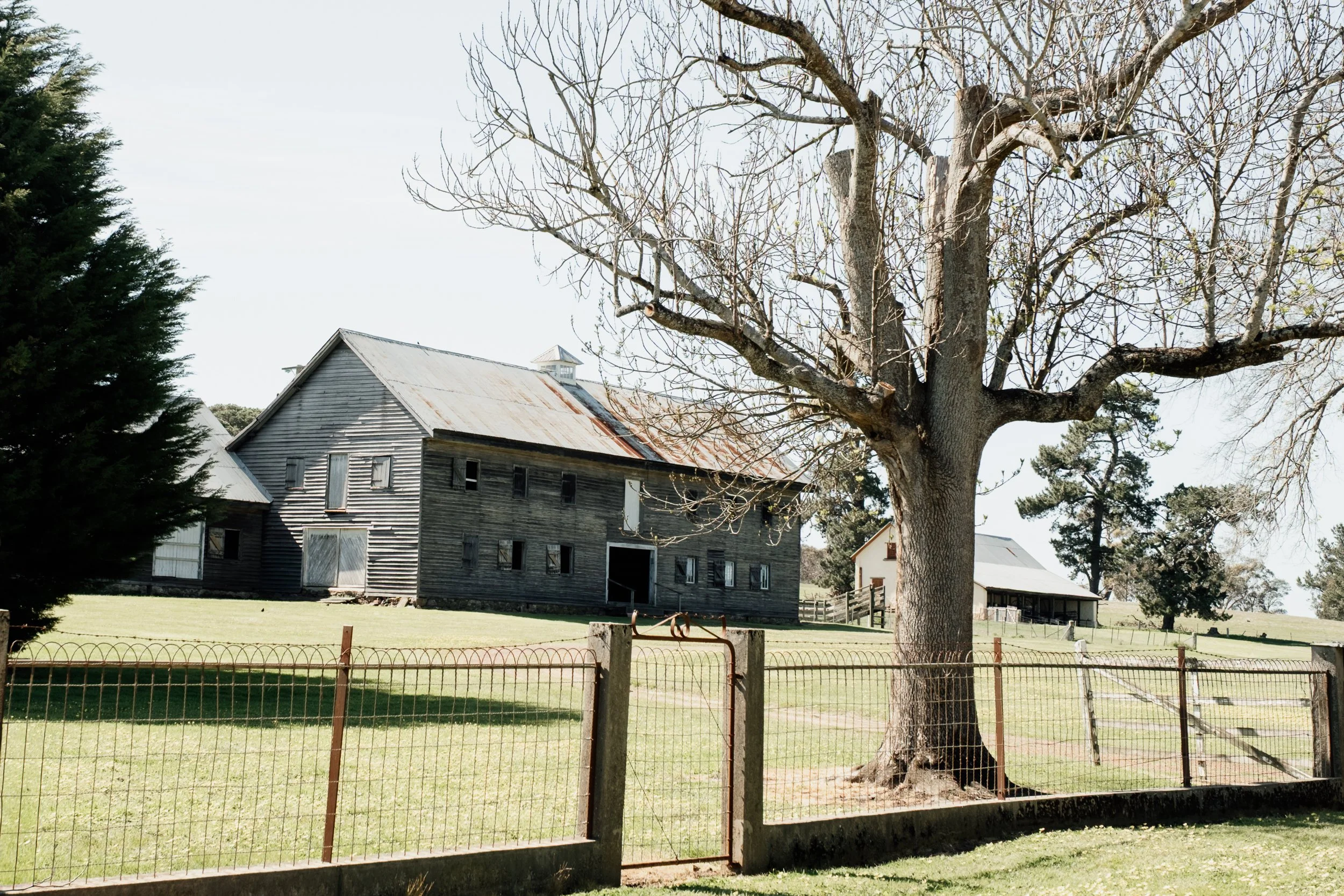
it might show the track leading into the property, the light across paddocks in the late afternoon, the workshop where goods are made, or the spaces visitors will move through during their stay. these images help people imagine themselves there.
when expectations are clear, bookings tend to align more closely with the experience being offered.
the result is often quieter but more meaningful growth. visitors who arrive with a genuine interest in the place, the work and the landscape rather than simply searching for somewhere to stay.
this is one of the reasons i approach photography in a documentary way.
the aim is not to transform a place into something it is not, but to show it clearly and honestly so that the people who value it most can recognise it.
for many regional businesses, this kind of clarity is more useful than constant marketing.
a strong collection of photographs helps your website communicate more effectively, supports tourism listings, and provides images for media features and printed material when opportunities arise.
in other words, photography becomes less about promotion and more about communication.
it helps your business be understood.
if you run a rural business in central tasmania and are thinking about how your images represent the experience you offer, let’s organise a complimentary in-person visit to talk about your place, your season and the story your photographs need to tell.
you may also find these field notes helpful if you’re thinking about photography for your business:
→ what good agritourism photography actually shows
→ the difference between marketing photos and stock images
→ what a small image library can do for your business
together these articles explore how photography can support rural businesses, agritourism properties and creative enterprises across regional tasmania.
photography + words by samone bayles for rewild studio.